
 Kenya
Kenya
 Rwanda
 Tanzania
 Uganda

 Ethiopia
Published: May 2026 | By Billion Events EA
Sometime in the early planning stages of the Africa Forward Summit 2026, a production team sat in a room and looked at a brief that would make most event companies quietly leave the country.
Two days. Three venues. The University of Nairobi. The Kenyatta International Convention Centre. The Kasarani Indoor Arena. Over 4,000 attendees. Thirty heads of state. The presidents of Kenya and France as co-chairs. Bilateral diplomatic meetings, B2B investment forums, civil society convening, youth engagement sessions, a cultural festival, and a closing concert featuring ten of Africa’s biggest artists.
Simultaneously.
Across a city that would need its traffic rerouted for presidential motorcades.
The fact that it happened, the fact that it worked, that deals were signed, that the Nairobi Declaration was adopted, that artists performed for Emmanuel Macron and the continent watched, is not just a diplomatic achievement. It is an events achievement. And our industry doesn’t celebrate that enough.
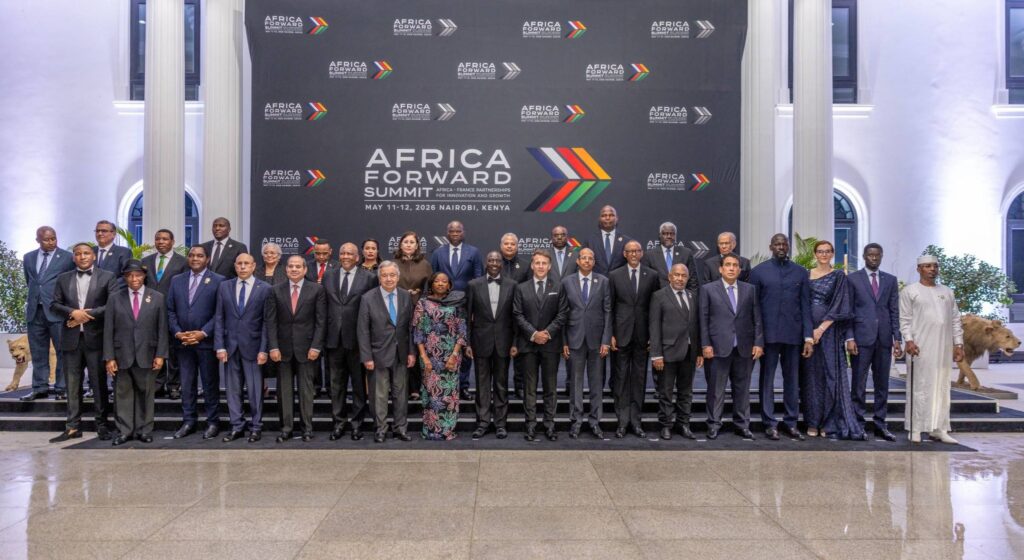
Table of Contents
What Was Actually Executed at the Africa Forward Summit 2026
Let’s be specific, because specificity is how professionals talk.
The Africa Forward Summit 2026 was not one event. It was a portfolio of concurrent events, each with distinct audiences, distinct logistics requirements, and distinct standards of execution, all running under one brand and one timeline.
The Africa Forward Fest kicked off on May 7, a cultural festival curated by Alliance Française Nairobi, running for four days before the summit itself even opened. Film. Music. Dialogue. A warm-up act for a continent.
The CSOs Pavilion convened on May 10, fifty civil society organisations, a forum designed not for heads of state but for grassroots voices. A different room, a different energy, a different production standard required.
The Business Forum on May 11 at the University of Nairobi brought together an estimated 1,500 to 2,000 CEOs, investors, and entrepreneurs for structured B2B matchmaking and sector roundtables. That’s a corporate conference, inside a university campus, running parallel to bilateral diplomatic meetings.
The Summit of Heads of State on May 12 at KICC. Thirty presidents. A plenary. Thematic roundtables. A press conference with Ruto and Macron. The adoption of the Nairobi Declaration. Protocol at the highest level our industry will ever touch.
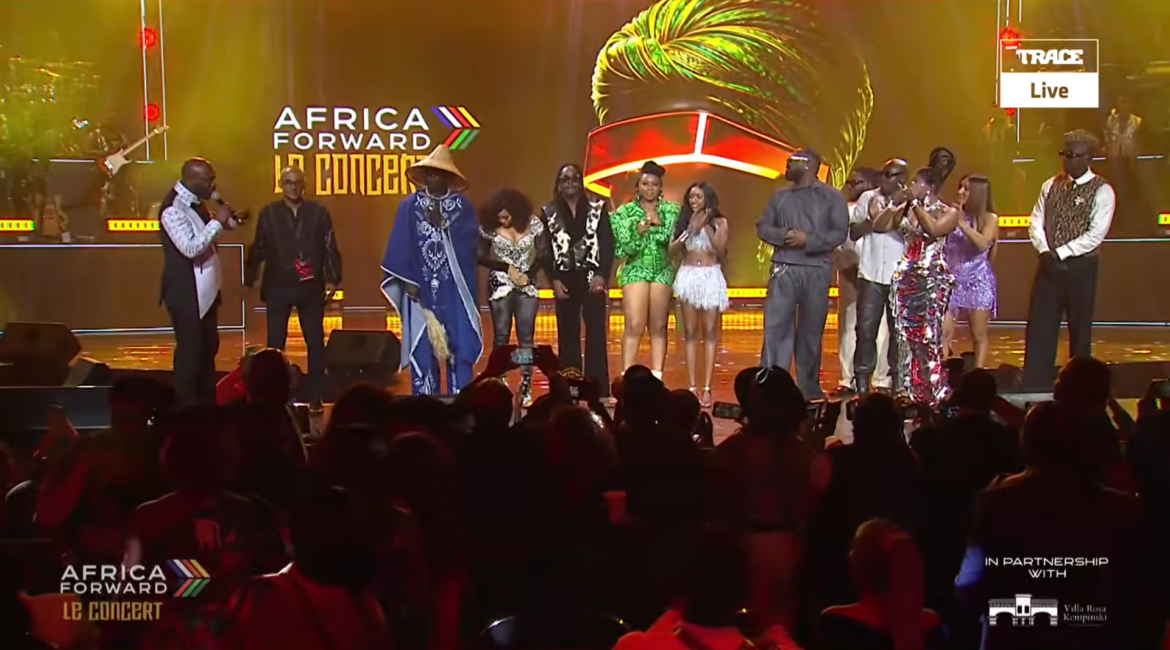
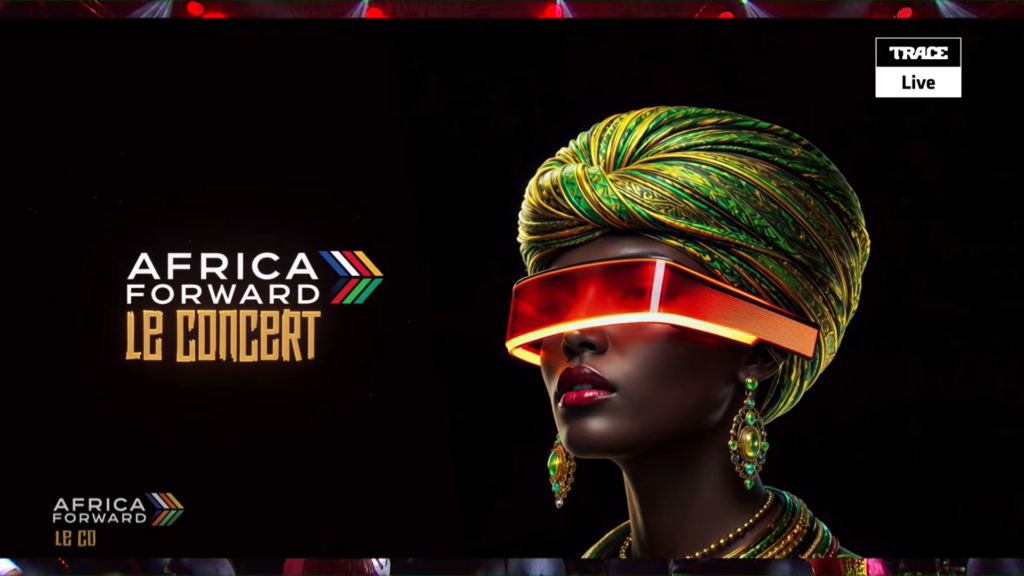
And then, Le Concert, the closing act at Kasarani, the retrofitted sports arena transformed into a theatre worthy of the occasion.
Each of these is a full event in its own right. Together, they are one of the most complex events portfolios ever executed on this continent.
What the Africa Forward Summit 2026 Proved About Nairobi’s Venues
The Africa Forward Summit 2026 was held outside the Francophonie bloc for the first time in this summit’s history. Nairobi was chosen. That choice was political, yes. But it was also infrastructural.
You do not bring thirty heads of state to a city whose venues, logistics networks, and event delivery capability you are uncertain about. Nairobi was chosen because Nairobi could handle it.
Let’s look at what that meant practically:
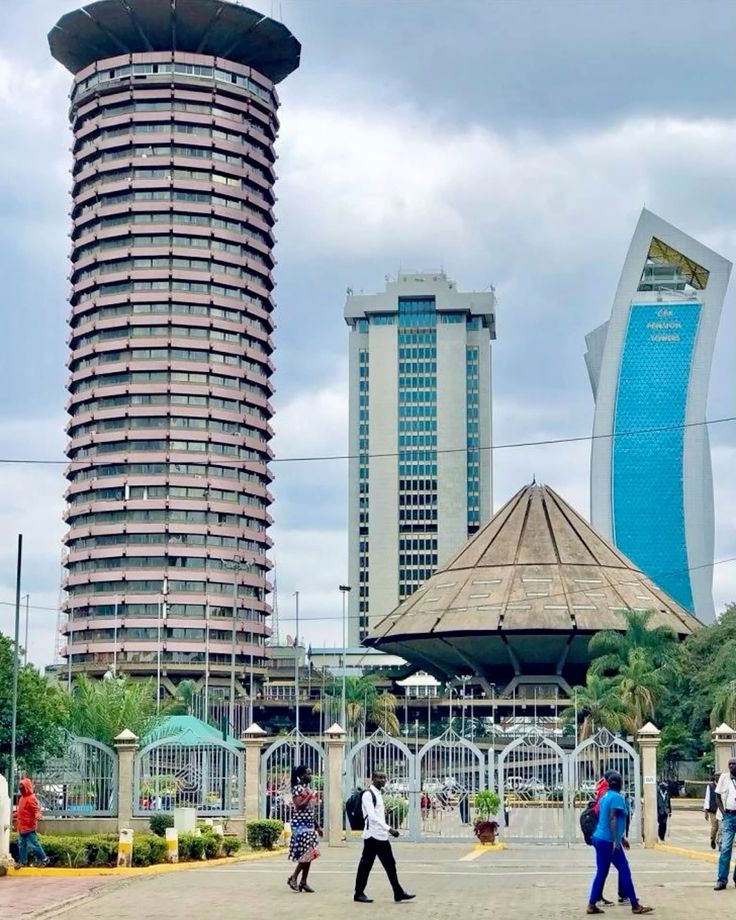
KICC, the Kenyatta International Convention Centre, remains East Africa’s most capable diplomatic conference venue. Presidential grade security integration, simultaneous translation infrastructure, the protocol capacity to manage heads of state and their delegations at the same time. KICC did what KICC was built to do.
University of Nairobi, a campus repurposed as a business forum venue. This is not standard. Running 1,500 plus investors through a university campus for B2B matchmaking requires a level of spatial design, wayfinding, registration management, and session coordination that most venues don’t naturally provide. The fact that it worked says as much about the production team as it does about the venue.
Kasarani Indoor Arena, the most instructive case. A sports facility, intensively retrofitted in a compressed timeline, transformed into a concert theatre that held a diplomatic closing ceremony. Staging, sound, lighting, sight lines, rebuilt from scratch. The transformation of Kasarani was not a small production feat. It was a demonstration of what East African technical crews can execute when the standard is set at the highest level.
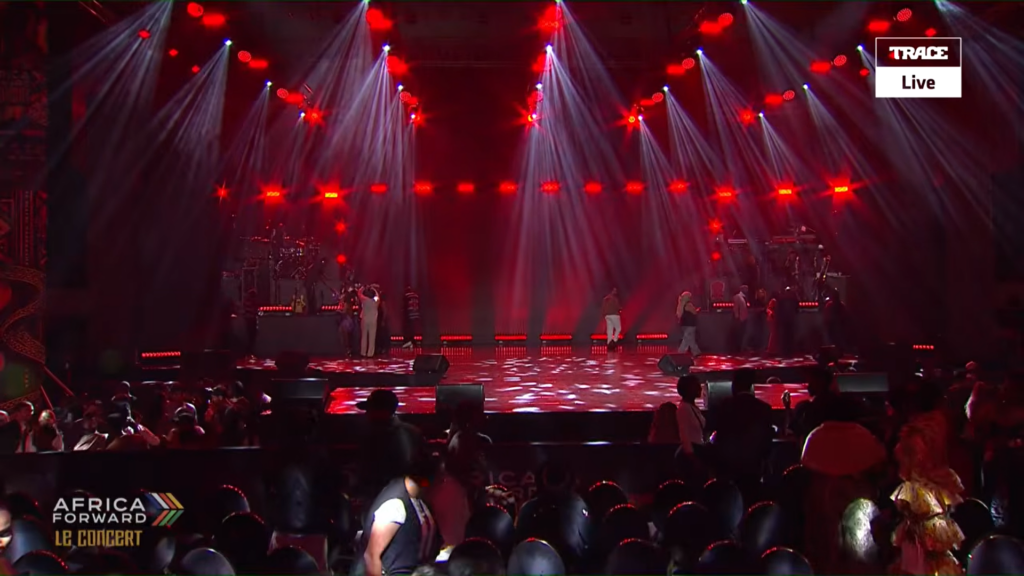
Three very different venues. One coherent summit. The infrastructure held.
Cultural Diplomacy: The Africa Forward Summit 2026 and the Events Industry’s Unspoken Superpower
We want to spend some time on this, because it’s a strategic conversation our industry doesn’t have enough.
The decision to close the Africa Forward Summit 2026 with a concert was not made lightly. It was a deliberate act of design by people who understand what events do that documents cannot.
The Nairobi Declaration, the formal outcome document of the summit, was signed in a conference room. It will be filed, referenced, and cited in policy papers for years. That is the diplomatic product of the summit.
But the last thing every delegate remembered, the last sensory experience they carried home, was Bien on stage, or Youssou N’Dour performing for an audience that included the leaders of thirty African nations.
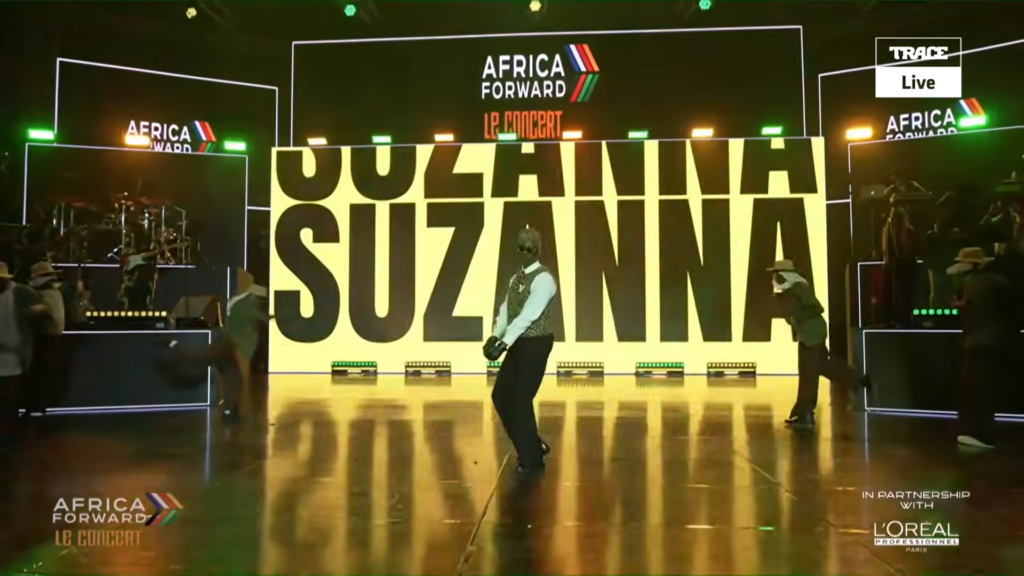
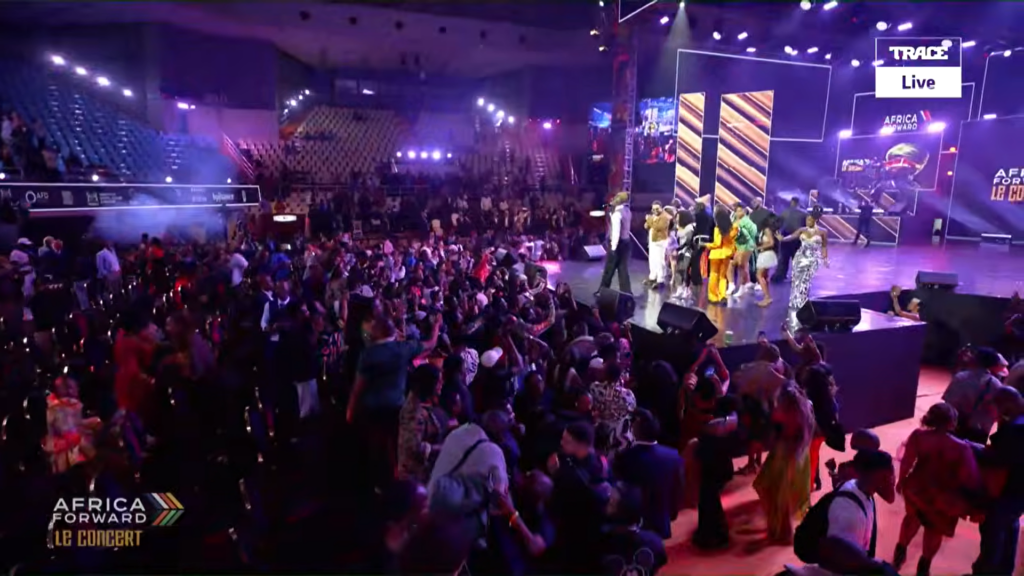
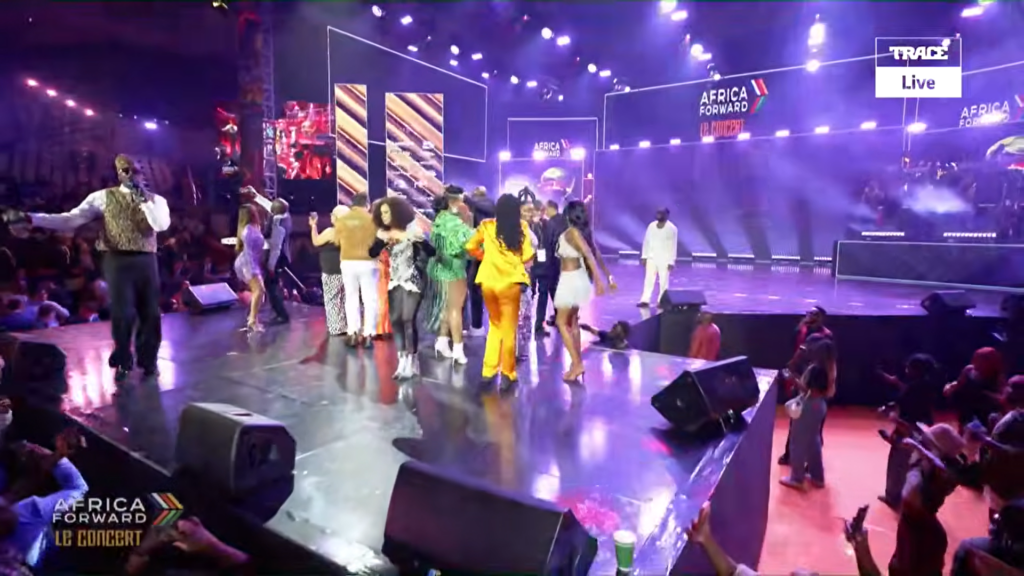
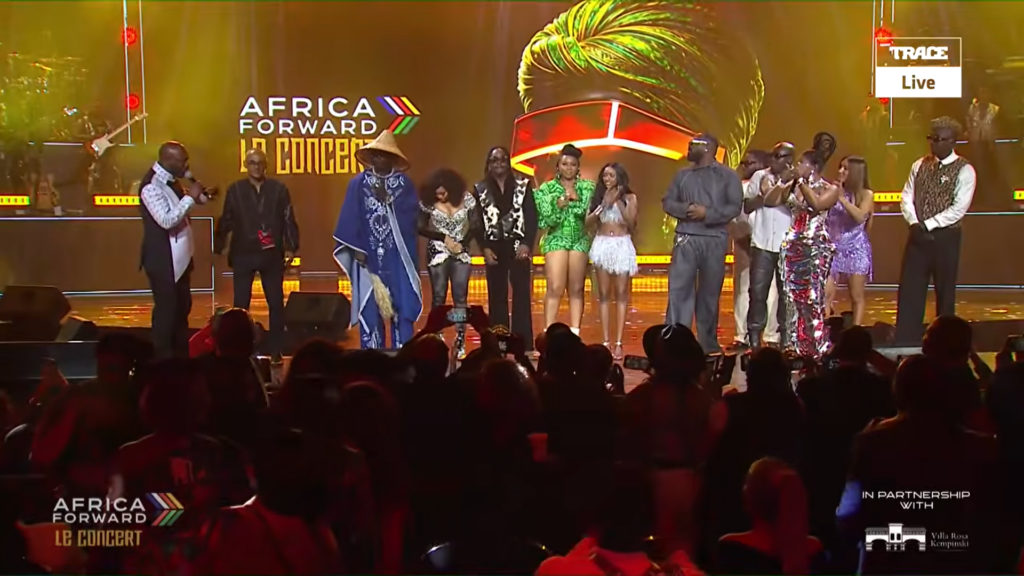
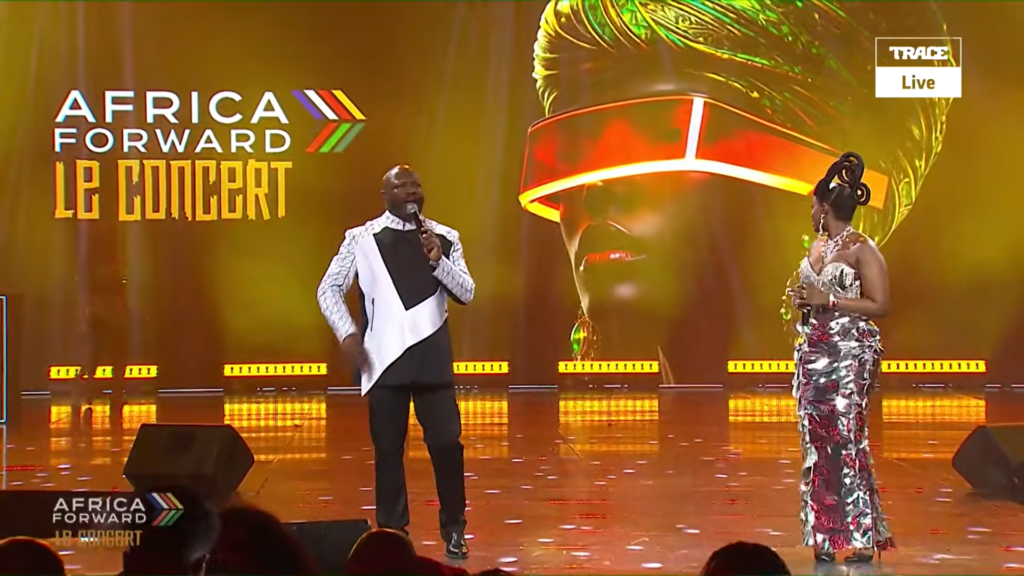
That feeling is what creates relationships. That feeling is what makes the next call easier, the next meeting warmer, the next negotiation less adversarial. Events professionals have known this intuitively for years. The Africa Forward Summit 2026 demonstrated it at continental scale.
Cultural diplomacy is an events brief. It requires a production team that understands both the technical requirements and the emotional architecture of an experience. What do you want people to feel when they leave? What’s the last thing they see? What music do they carry home in their heads?
Those questions belong in the brief. Not as afterthoughts. As central objectives.
What the Africa Forward Summit 2026 Means for Where East Africa’s Events Industry Is Going
We are Billion Events. We have spent over a decade building events across East Africa. We hosted the Africa Events Summit in Nairobi in February 2026, our own contribution to establishing a professional standard for the events industry on this continent. We just returned from Uganda, where we scouted conference infrastructure in Kampala. Rwanda is next. The roadshow is moving.
When we look at what was executed this week in Nairobi, we see confirmation of something we’ve believed for a long time: East Africa is not an emerging events market anymore. It is an arrived one.
The talent is here. The venues are here. The production capability is here. The technical crews are here. The artists are here. The logistics infrastructure is here. What the Africa Forward Summit 2026 did is give all of that a stage large enough for the world to notice.
Our job, the job of every serious events company operating in this region, is to continue building at that level. To not let this week be a peak, but a floor.
That means investing in venue relationships across the region. It means building production partnerships that can scale. It means training and retaining the technical talent that executed last night so they’re still here for the next one. It means approaching every brief, whether it’s a 50 person boardroom dinner or a 5,000 person gala, with the same standard of execution that was demanded this week.
It means, frankly, taking ourselves as seriously as the world just took us.
Planning a Major Event in East Africa After the Africa Forward Summit 2026? Read This First.
For the corporate planners, the NGO programme officers, the embassy cultural attachés, and the private sector leads reading this, here is what the Africa Forward Summit 2026 tells you about planning a major regional event in East Africa:
Nairobi can handle it. Whatever scale you’re imagining, whatever standard you’re measuring against, the infrastructure is here. The venues, the production crews, the hospitality networks. Don’t plan a Nairobi event with the assumptions you might have had five years ago.
Kampala is ready. We were just there. Speke Resort Munyonyo, Four Points by Sheraton Kampala, Méstil Hotel, Arirang Hotel, Kampala’s conference infrastructure has matured significantly, and the city is moving. If your next regional summit is in Uganda, the venues are there. We know, because we walked them.
The production standard has changed. When your guests have a reference point of last night’s concert, and they do, they will bring that reference point to your event. The bar has moved. Plan accordingly.
Culture is not a budget line item for the closing dinner. It is a strategic tool. The events that last in people’s memories are the ones that made them feel something. Build that in from the brief, not at the end.
Work with people who were already here before the brief arrived. The most expensive mistake in events is working with people who are figuring it out as they go. The Africa Forward Summit 2026 was not executed by people who showed up the week before. It was executed by people with deep, established infrastructure in this region.
That’s what we are. That’s what we’ve been building for over a decade.
When you’re ready to plan your event in East Africa, in Nairobi, in Kampala, in Kigali, in Dar es Salaam, you know where to find us.
We’ll already be there.
Leave a reply