
Planning an event that runs smoothly from start to finish requires more than creativity—it demands careful organisation, strategic coordination, and attention to detail. Whether it’s a corporate gathering, product launch, wedding celebration, conference, or private party, the success of an event often depends on how effectively the planning process is executed. This is where professional event management agencies play a crucial role. They bring expertise, industry connections, and structured planning methods that ensure every element of the event aligns perfectly.
The Event Management Agency works behind the scenes to handle everything from venue selection and vendor coordination to budgeting, logistics, guest experience, and post-event analysis. However, achieving flawless execution requires following a comprehensive checklist that covers every stage of the planning process. Missing even a small detail can lead to unnecessary stress, delays, or disruptions during the event. In this blog, we will explore a detailed checklist for event management agencies to help ensure your event is organised, memorable, and executed from beginning to end.
Table of Contents
Define the Event Goals and Objectives
Before diving into logistics, a clear understanding of the event’s purpose is essential.
Key questions to ask include:
- Who is the target audience?
- What experience should attendees have?
- What message or brand image should the event convey?
Defining goals helps determine the event’s format, scale, theme, and budget. For example, a corporate networking event requires a very different setup compared to a wedding or entertainment event.
Once objectives are clear, agencies can create a strategic roadmap that aligns every decision with the event’s purpose.
Establish the Event Budget
Budget event planning and management is one of the most critical steps in event management. A detailed budget ensures that resources are allocated effectively and helps avoid overspending.
Important budget categories include:
- Venue rental
- Catering services
- Event décor and design
- Audio-visual equipment
- Entertainment
- Marketing and promotion
- Staffing
- Transportation
- Security
- Miscellaneous contingency costs
Professional event planners often allocate an additional contingency fund of around 10–15% to manage unexpected expenses. Regularly tracking expenses also helps maintain financial control throughout the planning process.

Choose the Right Venue
Selecting the perfect venue significantly influences the success of the event. The venue should align with the event type, guests, and desired atmosphere.
Factors to consider when selecting a venue:
- Capacity and layout
- Accessibility and location
- Parking facilities
- Available amenities
- Technical capabilities
- Catering options
- Weather contingency plans (for outdoor events)
Site visits are essential before finalising the venue. Event managers also confirm setup timings, equipment availability, and venue restrictions to avoid last-minute surprises.
Develop a Detailed Event Timeline
Creating a comprehensive timeline helps ensure that every task is completed on schedule.
A typical event timeline includes:
Pre-Event Planning
- Concept development
- Vendor bookings
- Invitations and marketing
- Logistics planning
Event Week Preparation
- Final confirmations with vendors
- Staff briefing
- Technical rehearsals
- Equipment checks
Event Day Schedule
- Set up and decoration
- Guest registration
- Program execution
- Breaks and entertainment
- Closing and wrap-up
A clear timeline keeps the entire team aligned and ensures that no task is overlooked.
Vendor and Supplier Coordination
Events rely heavily on external vendors and service providers. These may include caterers, decorators, photographers, lighting technicians, entertainers, and security personnel.
Important steps for vendor coordination:
- Shortlist reliable vendors
- Review portfolios and references
- Negotiate contracts and pricing
- Confirm service details and timelines
- Maintain regular communication
Having backup vendors is also a smart strategy in case of last-minute cancellations or emergencies.
Event Design and Theme Planning
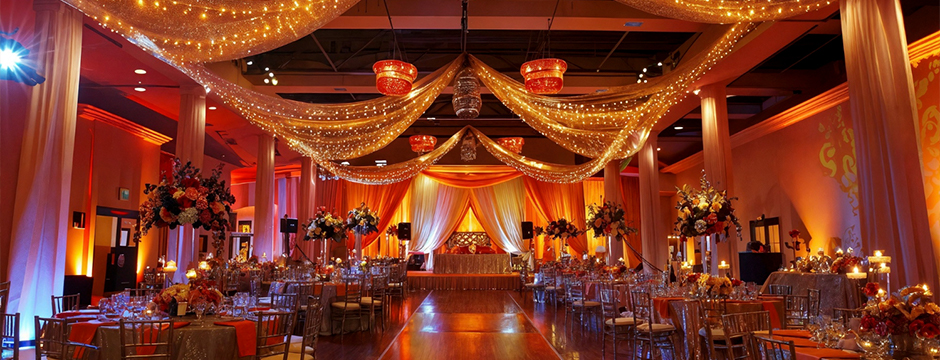
A strong visual concept enhances the overall guest experience. Event planning design includes everything from décor and lighting to stage setup and branding elements.
Elements involved in event design include:
- Theme and color palette
- Stage and backdrop design
- Lighting arrangements
- Floral decorations
- Seating arrangements
- Signage and branding
The design should reflect the event’s purpose and create a cohesive atmosphere that leaves a lasting impression on attendees.
Guest Management and Invitations
Guest experience begins long before the event starts. Proper invitation and guest management systems ensure smooth attendance and organisation.
Steps involved include:
- Creating the guest list
- Sending digital or printed invitations
- Managing RSVP confirmations
- Creating seating arrangements
- Preparing guest badges or passes
- Organising registration desks
For large-scale events, digital registration platforms can help streamline check-ins and reduce waiting times.
Technology and Audio-Visual Setup
Technical equipment is critical to modern events, especially corporate conferences, product launches, and entertainment programs.
Essential technical components include:
- Microphones and sound systems
- LED screens and projectors
- Stage lighting
- Live streaming equipment
- Presentation systems
- Internet connectivity
Conducting technical rehearsals ensures that presentations, speeches, and performances run smoothly during the event.
Event Marketing and Promotion
For public or business events, effective promotion is necessary to attract the right audience.
Marketing strategies may include:
- Social media promotions
- Email campaigns
- Influencer collaborations
- Event landing pages
- Media partnerships
- Paid advertising
Creating buzz before the event increases attendance and builds excitement among guests.
Staff Management and Roles
A well-organised team ensures seamless event execution. Event staff may include coordinators, registration teams, technical crew, security personnel, and hospitality staff.
Key tasks include:
- Assigning specific responsibilities
- Conducting staff briefings
- Preparing contingency plans
- Ensuring clear communication channels
Team coordination is essential for handling unexpected situations and maintaining smooth operations throughout the event.
Risk Management and Safety Planning
No event plan is complete without safety and risk management measures.
Important considerations include:
- Emergency evacuation plans
- Crowd control measures
- Security personnel deployment
- Medical assistance availability
- Equipment safety checks
Proper risk planning by the Event Management Agency ensures the safety of guests and staff while minimising disruptions.
Event Day Execution
On the day of the event, the planning team focuses on coordination and supervision.
Event managers typically oversee:
- Venue setup and decoration
- Vendor arrivals and installations
- Guest registration
- Program timing
- Stage management
- Troubleshooting unexpected issues
Constant monitoring ensures the event flows smoothly according to the planned schedule.
Post-Event Evaluation
Once the event concludes, evaluation helps improve future planning.
Post-event tasks of the event management companies include:
- Collecting feedback from attendees
- Reviewing vendor performance
- Analysing attendance data
- Evaluating budget performance
- Documenting lessons learned
Event reports provide valuable insights that can enhance future event success.
Wrapping Up
Successful events don’t happen by chance—they are the result of meticulous planning, professional coordination, and a structured approach. From defining objectives and managing budgets to coordinating vendors and ensuring seamless execution, every step in the event-planning process is crucial to delivering a memorable experience.If you’re looking for an expert Event Management Agency that combines creativity with precision, Billion Events offers exceptional event management solutions tailored to your needs. Whether it’s corporate events, private celebrations, or large-scale productions, our experienced team ensures every detail is handled perfectly.

Leave a reply