
 Kenya
Kenya
 Rwanda
 Tanzania
 Uganda

 Ethiopia
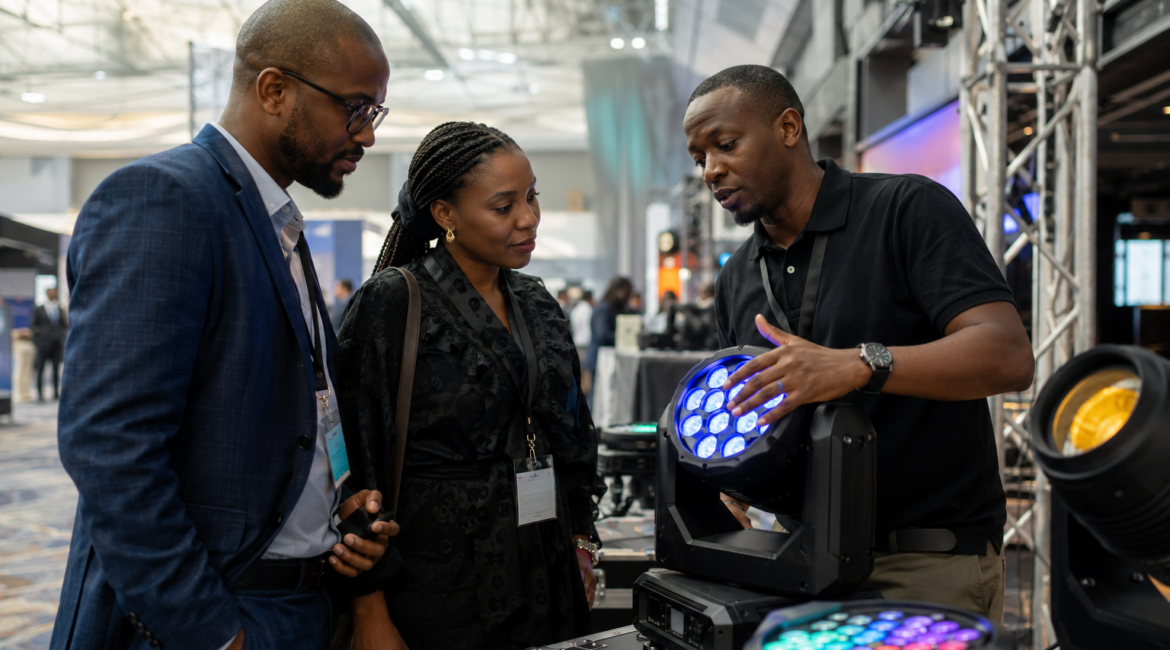
The events industry conference in Kenya has multiplied fast. Business summits, trade expos, and sector conferences now happen almost every month in Nairobi alone, yet very few of them are actually built for the people who plan, produce, and supply those events for a living. That gap is worth naming, because it says something bigger about where the industry itself stands.
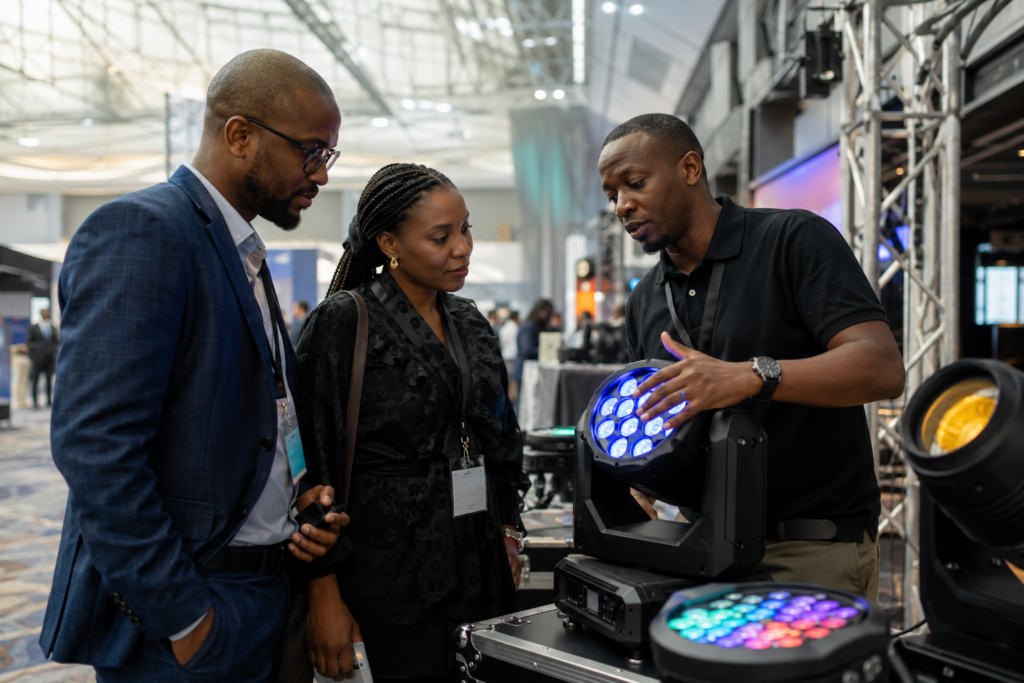
What the Events Industry Conference In Kenya Usually Looks Like
Most conferences in Kenya are built for a client industry, banking, telecom, agriculture, tourism, and the events companies behind them are hired to execute, not represented on the agenda. A planner might produce three conferences in a month for three different sectors, without ever attending one built around the challenges of their own profession. Suppliers, venues, and production companies sit in the same position, visible on site, absent from the conversation.
The Event Managers Association of Kenya, the country’s professional body for event practitioners, exists precisely because that gap has been felt for years. Its role, uniting practitioners, promoting standards, and lobbying for policy that supports the industry, points to a sector that has been organising itself from the inside for a while, even without a dedicated conference platform to match.
Five Signs the Events Industry Conference In Kenya Has Outgrown Itself
1. Practitioners know a professional body exists before they know a conference does
Ask a planner or supplier in Nairobi where the events industry itself gathers, not the clients it serves, and the answer often points to a membership association rather than an event. That is unusual for a sector this active, and it signals more standing infrastructure than public conversation.
2. Standards conversations are happening, but not on a shared public stage
Certification, professional conduct, and quality benchmarks are already part of how serious practitioners talk about the industry privately. What has been missing is a public conference stage where those standards get debated in front of the wider sector, not just discussed within membership circles.
3. Suppliers and planners still meet through referrals, not structured events
In a market this size, most working relationships between planners, venues, and suppliers are built through word of mouth. A dedicated events industry conference changes that, turning scattered referrals into structured, repeatable introductions.
4. Regional counterparts remain strangers
A Nairobi planner is more likely to know a European or South African peer through international content than a producer working the same circuit in Kampala or Kigali. The events industry conference gap in Kenya is really a regional one, and it shows in how little cross-border collaboration happens without a shared platform to force it.
5. Global manufacturers are entering the market without a clear door in
International suppliers of staging, AV, and event technology increasingly see East Africa as a growth market, but without an events industry conference built specifically for them to meet local buyers, that entry tends to happen slowly, through scattered individual outreach rather than one concentrated room.
Why This Matters Now
Africa Events Summit was built directly in response to this gap, positioning itself as a platform for the events industry rather than another client-facing conference. Its Pre-Summit in Nairobi drew over 200 applications for just 70 invited seats, an early signal that the demand for exactly this kind of gathering has been sitting there, mostly unspoken, for a while.
Frequently Asked Questions
Is there a professional body for the events industry in Kenya? Yes. The Event Managers Association of Kenya (EMAK) is the country’s national trade association for event management practitioners.
Why doesn’t Kenya have more conferences built for the events industry itself? Most conference activity in Kenya is commissioned by client sectors, banking, telecom, tourism, and others, which means the events industry executes those gatherings rather than being the subject of them.
What is changing this? Platforms like Africa Events Summit are being built specifically for the events value chain, planners, suppliers, venues, and brands, rather than for a single client industry.
For more on the national body representing event professionals, see EMAK. For regional context on how tourism authorities are engaging with sector growth, see the Kenya Tourism Board.
If you are curious what a conference built specifically for this industry looks like, read our breakdown of Africa Events Summit 2026, or see our coverage of Africa MICE Expo 2026 for another example of the region’s growing appetite for industry-first gatherings.
Leave a reply