
 Kenya
Kenya
 Rwanda
 Tanzania
 Uganda
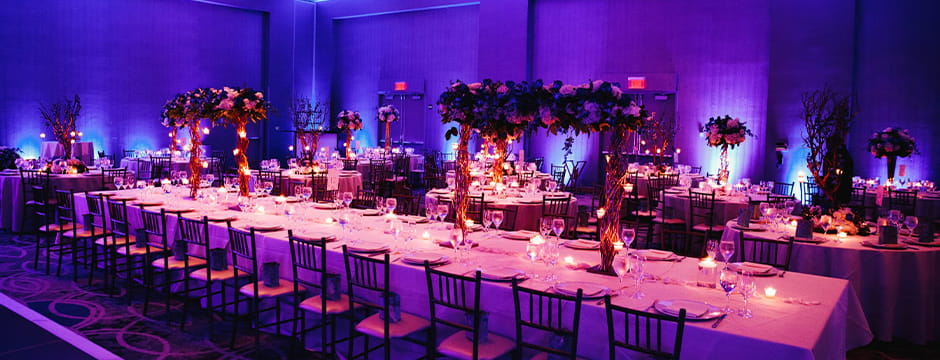
Planning an event in Uganda—whether it’s a wedding, corporate function, or cultural celebration—requires more than creativity. It demands smart financial planning. With rising costs for venues, catering, and logistics, budgeting has become the backbone of successful event execution.
An experienced Event Planner in Uganda understand that a well-structured budget not only prevents overspending but also ensures every element of the event delivers maximum value. This guide explores practical, experience-driven budgeting tips to help you plan impactful events in Uganda without financial stress.
Start with Clear Event Goals
Before you allocate a single shilling, define the purpose of your event. Are you hosting a brand launch, a networking event, or a private celebration? Your goal determines where your money should go.
A clear objective helps you prioritise expenses. For example, if networking is the goal, you may invest more in venue ambience and guest experience rather than extravagant décor. Without a defined goal, budgeting becomes guesswork—and that’s where overspending begins.
Break Down Your Budget into Categories
Experienced planners never treat a budget as a single lump sum. Instead, they divide it into key categories such as:
- Venue and setup
- Catering and beverages
- Entertainment
- Décor and branding
- Marketing and promotion
- Logistics and transportation
- Staffing and coordination
This structured approach gives you better control and visibility over your expenses. It also helps identify where you can cut costs without affecting the overall experience.
Understand Fixed vs Variable Costs
One of the most overlooked budgeting techniques is separating fixed and variable costs.
- Fixed costs: Venue rental, permits, equipment
- Variable costs: Catering, guest kits, transportation
Variable costs increase with guest count, so controlling your attendee list can significantly reduce expenses. In Uganda, where catering and logistics costs can fluctuate, this distinction is crucial for maintaining financial balance.
Prioritise What Truly Matters
A seasoned Event Planner in Uganda knows that not every element needs equal investment. Focus your budget on high-impact areas.
Ask yourself:
- What will guests remember most?
- What aligns with the event’s objective?
For example:
- Weddings → décor and photography
- Corporate events → venue and experience
- Cultural events → entertainment
Prioritising ensures that your budget enhances the overall experience rather than being diluted across unnecessary elements.
Choose the Right Venue Strategically
Venue selection can consume a large portion of your budget. Instead of choosing the most luxurious option, focus on:
- Accessibility
- Capacity
- Included amenities
Some venues in Uganda offer bundled packages (chairs, sound systems, décor basics), which can significantly cut additional costs.
Also consider off-peak bookings—weekday or non-seasonal dates often come at discounted rates.
Leverage Local Vendors and Negotiate Smartly
Working with local Ugandan vendors can help reduce transportation and import costs. More importantly, experienced planners always negotiate.
Here’s how:
- Request multiple quotes
- Ask for bundled services
- Build long-term vendor relationships
Negotiation isn’t about cutting corners—it’s about maximizing value.
Use Sponsorships and Partnerships
For corporate or large-scale events, sponsorships can offset a major portion of your budget.
You can offer sponsors:
- Brand visibility
- Speaking opportunities
- Product placement
Sponsorships are not just for big events—even small community events in Uganda can benefit from partnerships with local businesses.
Track Every Expense in Real Time
Budgeting doesn’t end after planning—it requires continuous monitoring.
Best practices include:
- Maintaining a spreadsheet or budgeting tool
- Tracking every payment and invoice
- Comparing projected vs actual costs
Regular check-ins help you stay on track and avoid last-minute financial surprises.
Always Include a Contingency Fund
No matter how experienced you are, unexpected costs will arise.
Examples include:
- Weather-related adjustments
- Equipment failures
- Last-minute guest additions
Experts recommend setting aside 5–10% of your total budget for contingencies.
This buffer can be the difference between a smooth event and a financial disaster.
Simplify Without Compromising Quality
One of the biggest secrets in event budgeting is simplification.
Instead of:
- Over-the-top décor → choose elegant minimalism
- Expensive printed materials → go digital
- Large menus → focus on quality over quantity
Guests remember the experience, not the excess.
Use Data from Past Events
An experienced event coordinator Uganda relies heavily on past data to make better budgeting decisions.
If you’ve organised events before, analyse:
- Cost per guest
- Vendor pricing trends
- Attendance patterns
Using historical insights improves accuracy and reduces the risk of underestimating costs.
Plan Early to Avoid Premium Costs
Last-minute planning often leads to inflated prices.
Early planning allows you to:
- Secure better vendor deals
- Compare multiple options
- Avoid rush charges
For larger events, starting at least 4–6 months in advance is ideal.
Focus on Guest Experience, Not Just Spending
A successful event isn’t defined by how much you spend, but by how guests feel.
Invest in:
- Smooth logistics
- Comfortable seating
- Engaging activities
Even with a limited budget, a well-planned experience can leave a lasting impression.
Bottom Line
Budgeting is the foundation of successful event planning, especially in a dynamic market like Uganda. By setting clear goals, prioritising expenses, leveraging local resources, and tracking costs diligently, you can create impactful events without overspending. The key lies in strategic thinking—not just spending more, but spending smarter.
If you’re looking for expert guidance and seamless execution, consider working with Event Planner in Uganda who understands both creativity and cost-efficiency. Explore premium event planning solutions at Billion Events and turn your vision into a well-budgeted, unforgettable experience.
Leave a reply