
 Kenya
Kenya
 Rwanda
 Tanzania
 Uganda

 Ethiopia
Published: May 2026 | By EA School of Events
Kenya’s events industry just had one of its biggest months on record.
The Africa Forward Summit brought thirty heads of state to Nairobi. Kasarani was transformed into a concert theatre in under three weeks. Ngemi Festival sold out again before most people had finished reading the announcement. Concerts are running to 2am on a Tuesday and nobody is leaving early.
The industry is alive. And everyone, it seems, wants to be part of it.
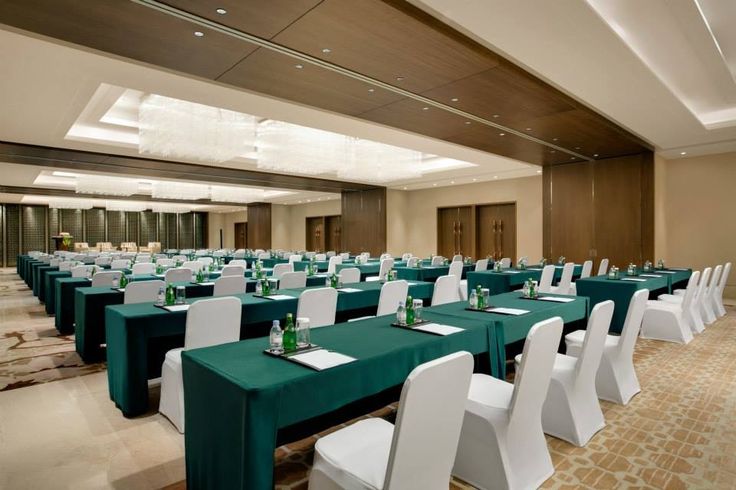

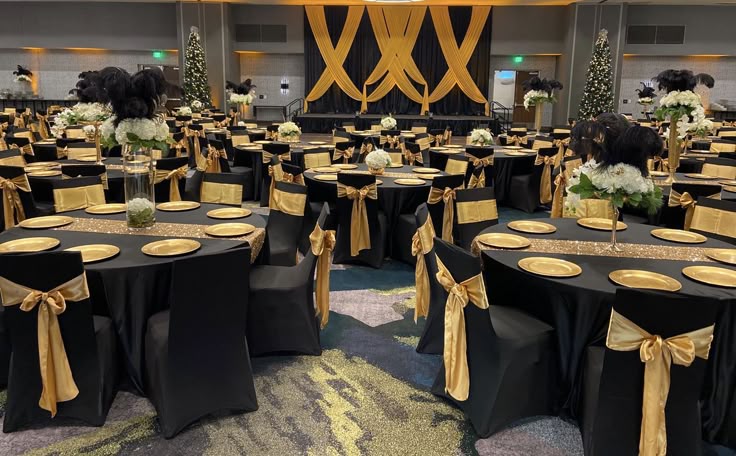
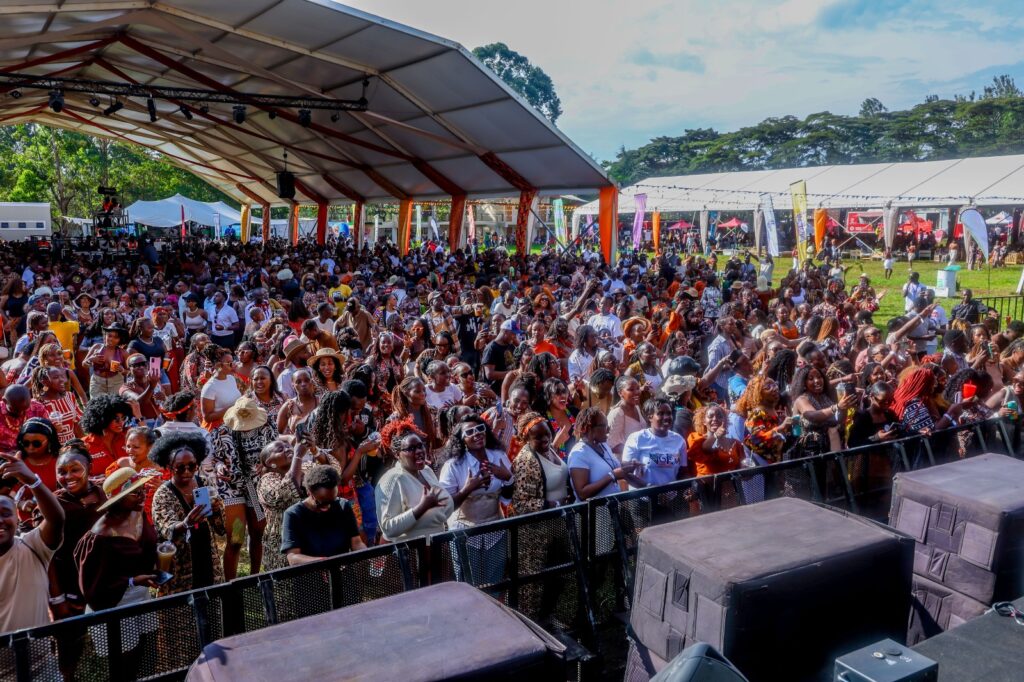

Which is why, right now, searches for event management courses in Kenya are climbing. People are watching what is happening in this industry and thinking: I want to do that. I want to be in that room. I want to build those moments.
That instinct is right. The timing is right. The opportunity is real.
But here is what nobody in the training space will tell you: most event management courses in Kenya will teach you how events work on paper. Very few will teach you how they actually work when the client changes the brief at 9pm the night before, when the MC does not show up, when the sponsor pulls out two weeks from the date, when the venue double-books and you have 48 hours to find an alternative.
That gap between what is taught and what the industry actually requires is the most important thing to understand before you spend a single shilling on training.
Table of Contents
We are Billion Events and EA School of Events. We have been building events across East Africa for over a decade. We have hired event professionals, trained them, and watched them grow. We have also watched people come out of courses with certificates and no idea how to handle a real event floor. This guide is written from that vantage point.
What the Event Management Industry in Kenya Actually Looks Like Right Now
Before you choose a course, understand the industry you are walking into.
Event management in Kenya is no longer a side hustle or a passion project dressed up as a business. It is a legitimate, growing, and increasingly competitive professional field. The demand is coming from multiple directions simultaneously: corporate Kenya needs event managers for product launches, AGMs, team retreats, and stakeholder convenings. The NGO and diplomatic sector needs professionals who can handle protocol, logistics, and multi-stakeholder programming. The cultural and entertainment sector, from Ngemi to the Africa Events Summit to music festivals across the country, is expanding faster than the trained talent pool can keep up with.

The Africa Forward Summit 2026 alone ran five concurrent events across three venues over two days. The people who executed that were not hobbyists. They were professionals with real training, real experience, and real vendor relationships built over time.
That is the level this industry is moving toward. Your training choice should reflect that trajectory.
What a Good Event Management Course in Kenya Actually Covers
Not all event management courses in Kenya cover the same ground. Before comparing options, know what the curriculum should include.
- Budget and financial management. This is the number one competency that separates professionals from enthusiasts. Can you build a realistic budget from a brief, manage vendor payments, track spend in real time, and reconcile after the event? Most courses mention budgeting. Very few teach it at the depth the industry requires.
- Vendor and supplier management. Kenya’s events ecosystem runs on relationships. Knowing how to source, negotiate with, brief, and manage vendors, from AV companies to caterers to décor suppliers to security teams, is the operational core of event management. A course that does not spend serious time here is missing the point.
- Client management and brief reading. The ability to listen to a client, extract the real brief from what they say, manage expectations, and communicate clearly under pressure is the skill that will make or break your career. It cannot be taught purely in a classroom. It requires real scenarios and honest feedback.
- On-the-ground event execution. Set-up timelines, run-of-show documents, floor management, technical rehearsals, contingency planning. This is where events are won or lost. Any course that does not give you practical exposure to execution is giving you half an education.
- Post-event analysis. The debrief is where professionals grow. What worked, what did not, what would you do differently, how do you document it and apply it to the next event. This is how experience compounds.
If a course covers all five of these areas with genuine depth, practical application, and instruction from people who have actually done them at a professional level, it is worth your consideration.
Event Management Courses in Kenya Worth Knowing About
The landscape of event management courses in Kenya has grown significantly. Here is an honest read of the main options.
- Kenya Utalii College offers a Diploma in Event Planning and Management. It is one of the most credible institutions in the hospitality space in East Africa, with a well-established curriculum and industry recognition. The diploma takes time and investment, which is the right trade-off if you want a formal qualification and a structured learning path. The limitation is that the curriculum, like most academic programmes, is built around theory and hospitality frameworks rather than live industry practice.
- Kenya Institute of Management (KIM) offers both certificate and diploma options. KIM’s strength is its professional development ecosystem, the network and credibility that comes with the institution. The events curriculum covers the fundamentals competently.
- The Events Academy runs eight-week introductory courses covering the basics of event planning and execution. It is accessible, structured, and a reasonable starting point for someone exploring the field. The question to ask is what happens after eight weeks, is there a progression pathway and is the instruction connected to active industry work?
- Corporate Staffing offers a NITA-certified ten-day course at KSh 8,500. It is one of the most affordable certified options in Kenya. The brevity is both its selling point and its limitation. Ten days gives you a foundation, not a full professional toolkit.
- Online options including Finstock Evarsity and international platforms are accessible and flexible. They suit people who need to study around existing commitments. The challenge with online-only event management training is that events are inherently physical and relational, some of what matters most in this industry cannot be delivered through a screen alone.
All of the above have a place. None of them can offer what EA School of Events offers, and we will explain why in a moment.
What Most Event Management Courses in Kenya Get Wrong
There is a pattern in how event management is taught in Kenya, and it has a gap that the industry feels every day.
Most courses are designed by educators, not practitioners. The curriculum is built around what events management looks like in a textbook: the stages of planning, the categories of events, the principles of project management applied to an event context. That knowledge is real and it matters.
But it does not prepare you for the call at 11pm from a panicking client. It does not prepare you for the venue that suddenly is unavailable three weeks out. It does not prepare you for the moment on the event floor when something goes wrong and everyone is looking at you to fix it in the next four minutes without the guest of honour noticing.
Those situations are not edge cases. They are Tuesday.
The other gap is network. In Kenya’s events industry, your vendor relationships are part of your professional value. Knowing which AV company delivers under pressure, which caterer can pivot a menu at short notice, which MC can hold a room when the programme runs long, that knowledge takes years to build if you are building it alone. A course connected to an active events company gives you access to that network from day one.

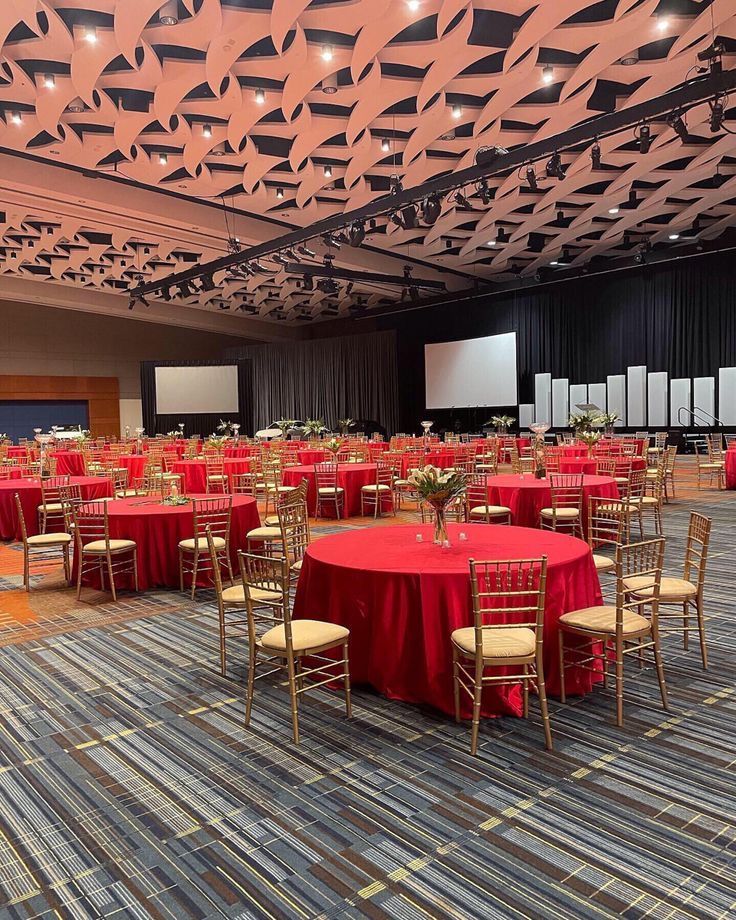

What to Ask Before You Enroll in Any Event Management Course in Kenya
Before you commit your time and money, ask these questions directly:
- Who is teaching the course? Are they currently working in the events industry or did they work in it at some point in the past? The gap between those two answers matters more than any certification.
- What practical exposure does the course include? Classroom time builds knowledge. Event floor time builds competence. The ratio of these two things in a curriculum will tell you a lot about the quality of the programme.
- What does the certification connect you to? A certificate is only as valuable as what it signals and who recognises it. Does the institution behind the certificate have standing in the industry?
- Is there a progression path? A one-time course is a starting point. Is there somewhere to go from there, more advanced training, mentorship, real-world placement, or a professional community?
- What do graduates actually do? Ask about outcomes, not intentions. Where did the people who completed this course end up?
Why EA School of Events Exists
We built EA School of Events because the gap was real and we were tired of watching it produce avoidable failures.
Billion Events has been running events across East Africa for over a decade. We have produced galas, corporate summits, diplomatic events, cultural festivals, and the Africa Events Summit, our own industry platform for East Africa’s events professionals. We have scouted venues in Uganda, built relationships with suppliers across the region, and put our reputation on the line at every event we have ever delivered.
That body of work is the curriculum.
EA School of Events teaches event management from the inside of a working events company. The instructors are not academics who once planned events. They are practitioners who planned an event last week and will plan another one next month. The scenarios used in training are drawn from real events. The vendor networks students access are live professional relationships. The standards taught are the ones the industry is actually moving toward, not the ones that were relevant a decade ago.
The East Africa events industry is at an inflection point. The Africa Forward Summit 2026 raised the reference point for what professional event delivery looks like in this region. The clients who watched that event will bring a higher standard to every brief they issue going forward.
EA School of Events exists to produce the professionals who can meet that standard.
If you are serious about a career in this industry, the question is not whether to train. It is where to train and who to learn from.
We think the answer matters. That is why we built the school.
Enroll at easchoolofevents.com or write to us at school@billioneventsea.com.
EA School of Events is the training institution of Billion Events, East Africa’s premier events management company. Our courses are designed and delivered by active event professionals with over a decade of experience across Kenya, Uganda, Rwanda, Tanzania, and Ethiopia.
Billion Events: billioneventsea.com | plan@billioneventsea.com | +254 700 37 47 02
Further reading: The Africa Events Summit 2026 | Event venues we scouted in Uganda
External references: Kenya Utalii College | Kenya Institute of Management
Leave a reply